
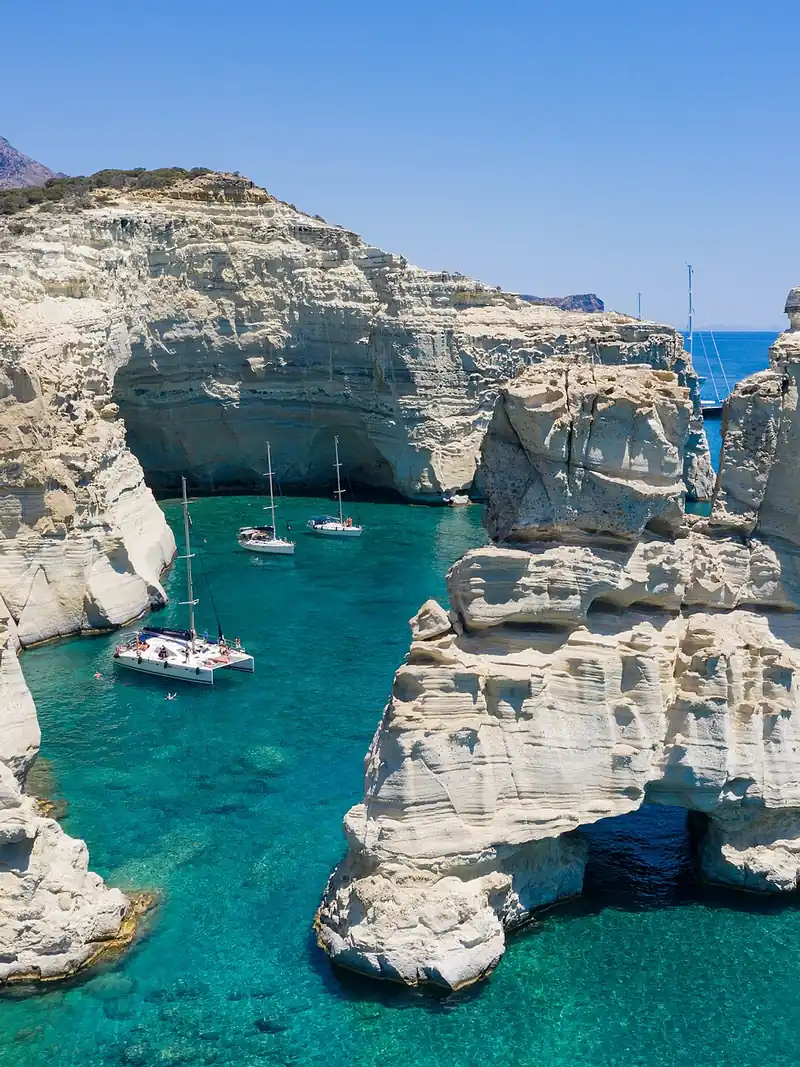
Milos, the island shaped by a volcano
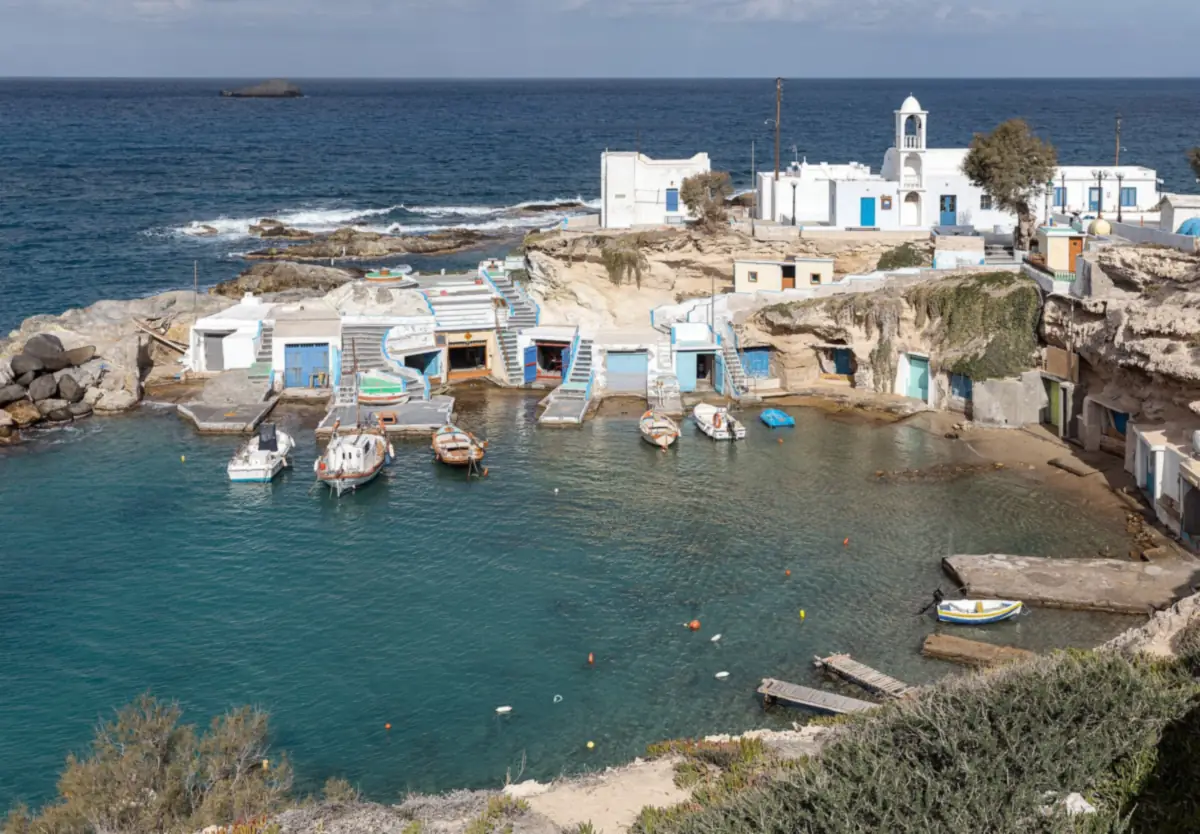
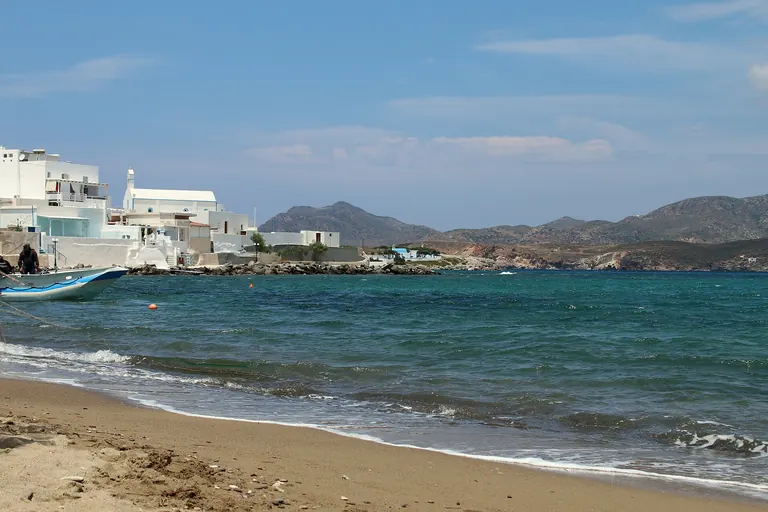
Milos is a volcano that went quiet and left its colors behind: white rock at Sarakiniko that looks like the moon, red and yellow cliffs on the south coast, hot springs at the water’s edge, and a bay so deep that the island almost closes around it. Fishermen built their boathouses into the rock at Klima and Mandrakia and painted the doors in primary colors. The Venus de Milo was found in a field here in 1820 and went to the Louvre. The island kept the view.
With a licensed guide
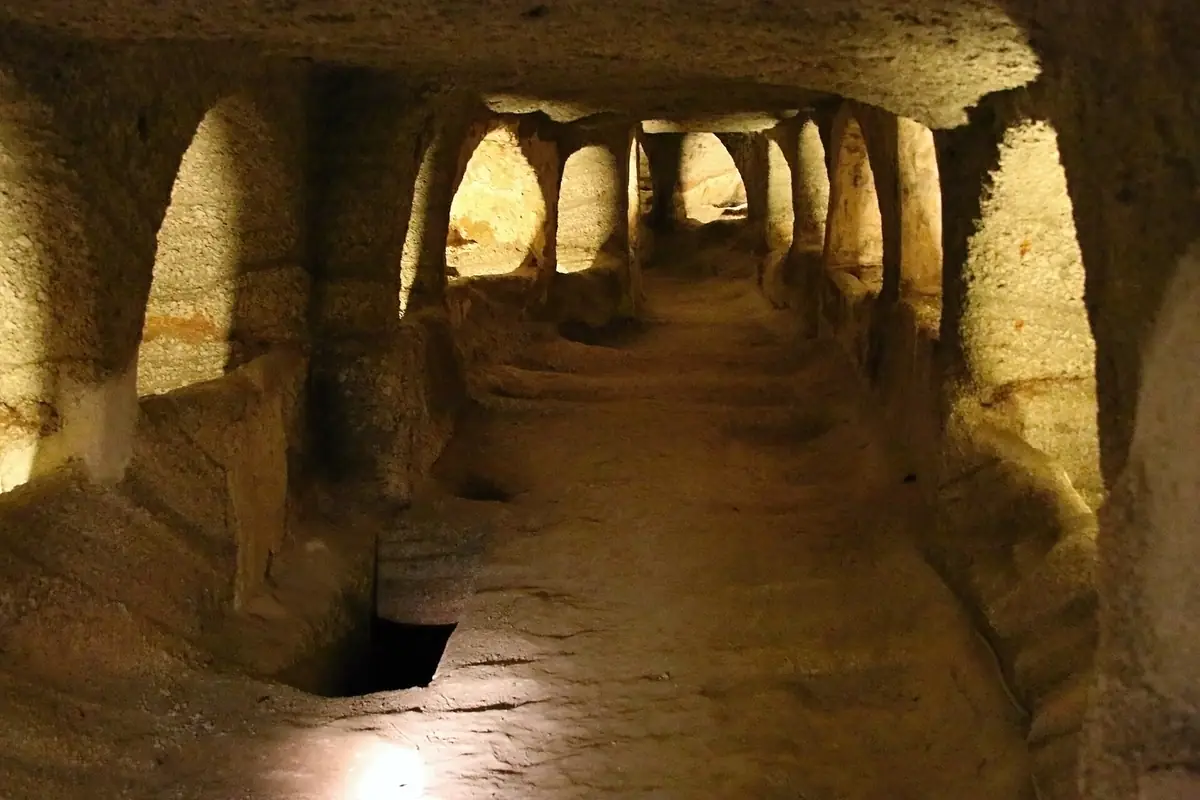
Milos has been mined since the Stone Age: obsidian first, the volcanic glass that made the blades of the Aegean before metal, then sulfur, kaolin, bentonite and perlite, which still leave the island on ships today. The ancient city of Milos stood above Klima, and a licensed guide takes you through its Roman theater, rebuilt in marble and facing the bay, and into the catacombs, early Christian burial galleries cut into the hillside between the 1st and 5th centuries, with hundreds of tombs along the walls. The spot where the Venus was found is a few steps from the theater, marked by a sign and nothing else. The archaeological museum in Plaka keeps a plaster copy of the statue. Which sites are on the program is written with each departure.
Two days on Milos
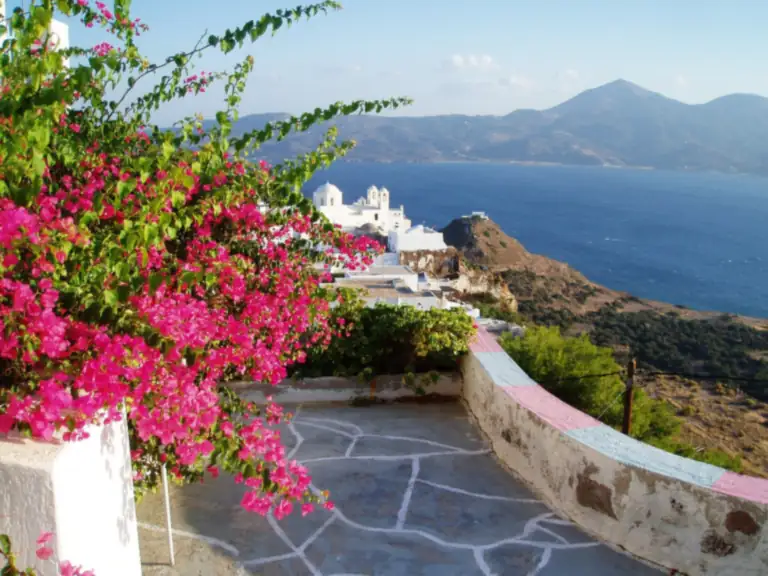
Adamas, the port, is where the boats leave from. Sarakiniko is 10 minutes away: white volcanic rock worn by wind and sea into something lunar, with a narrow inlet to swim in and no shade at all, so you go early or late. Plaka, the capital, sits on a hill above it with a Venetian castle on top, and the castle is where the island goes at sunset. Dinner is in Plaka’s lanes or down in Pollonia, the fishing village at the northeast tip with tables by the sand. The second day is for the coast. The road reaches Klima’s painted boathouses, Mandrakia, Firopotamos and the thermal shore at Paleochori, where the sand is hot enough to cook in. But half the coast of Milos is reachable only from the sea: Kleftiko’s white arches and caves, the pirates’ old hiding place, are a boat ride from Adamas. The program for each departure, and whether a boat day is in it, is published with its dates.
When to go
Milos has little shade, so May, June, September and October are kinder than July and August, when the island fills and the meltemi can keep the smaller boats in port. The sea stays warm into October. The boats to Kleftiko run from spring to fall and depend on the wind on the day.
How you get here
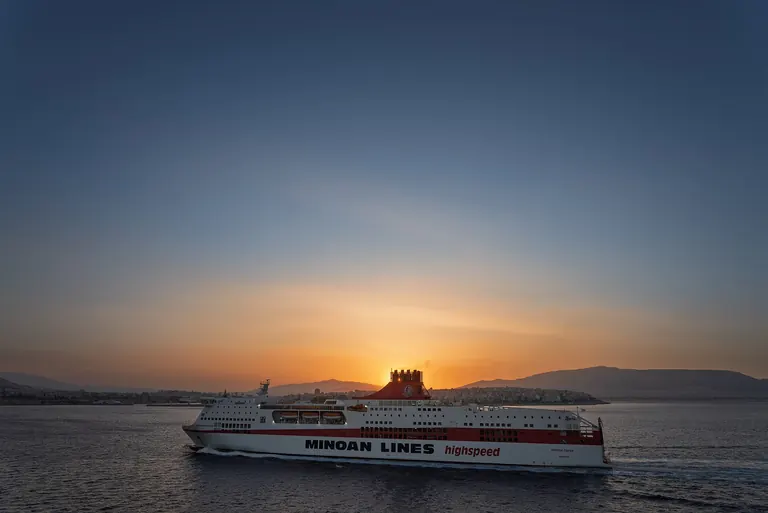
From Piraeus, Milos is 3 to 4 hours by fast ferry and 5 to 7 on the conventional boats. There are 40-minute flights from Athens to the island’s small airport. From Paros it’s about 2 hours by fast ferry, and from Milos the fast boat to Santorini takes around 2 hours as well, which is how the Cyclades trip ends. Exact times and the boats we use are published with each departure.
Questions
- Is the boat trip included?
- Whether a boat day is in the price is written on the trip page for each departure. The boats to Kleftiko leave from Adamas, take most of a day and stop to swim.
- Can I swim at Sarakiniko?
- Yes, in the narrow inlet between the white rocks, when the sea is calm. The rock gets hot by midday and there is no shade, so go early or late.
- How many beaches does Milos have?
- Local counts say more than 70. Many are reached by dirt road or by boat, which is why the boat day exists.
- Is Milos hilly?
- Plaka and Tripiti are built on a hill, with steps between the lanes. The villages by the water are flat. The catacombs and the ancient theater involve a short walk downhill and back up.
- Is Milos crowded?
- In July and August, yes; the island has caught on in the last few years. In June and September it has room, and the villages inland don’t change much in any month.
Naxos, Paros & Milos, then Santorini
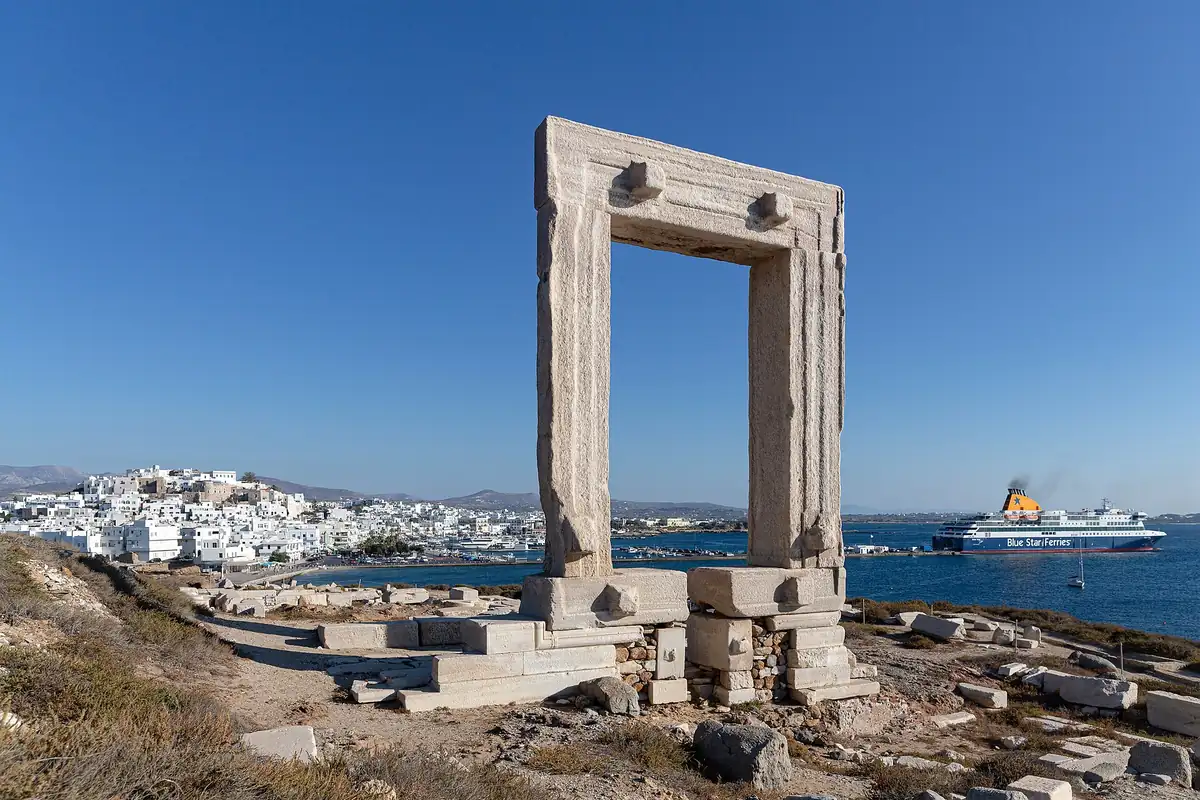
Three Cycladic islands that most itineraries skip, by ferry, with Santorini for the finale.
Up to 16 · 30s, 40s and early 50s
See the trip